Two men and a house with an open door. Seven lamps beneath a broken law. A voice lost to love, a manuscript altered for power, and two cities whose destruction was coming long before anyone called it punishment.
The seven works below are complete literary reconstructions of rival in-world traditions. The Tomb and inscription are catalogued as archaeological claims, not proof of a god or of an individual couple's identity. The two men called Aeron and Talem are the earliest widely preserved male communion in this tradition, not the first men in history to love or marry. Seraveth and Mhalek remain disputed divine names.
Reader's guide: Open Hearth faithful tell the cycle as sacred family history; Closed Lamp teachers contest its meaning; secular scholars compare damaged inscriptions and changing laws. The Two Cities of Salt and Glass is an original fantasy influenced by ancient disaster narratives. It refuses the idea that same-sex love caused the cities' collapse: the physical fault was inevitable, while shelter and evacuation were still choices.
01 / THREE SKETCHED RELIC RECORDS
The relics.
Objects that many generations have interpreted, restored, traded, and sometimes misrepresented.
These are the author-approved original rough sketches, reproduced as WebP, not archaeological photographs. Exact site names and ages remain disputed.
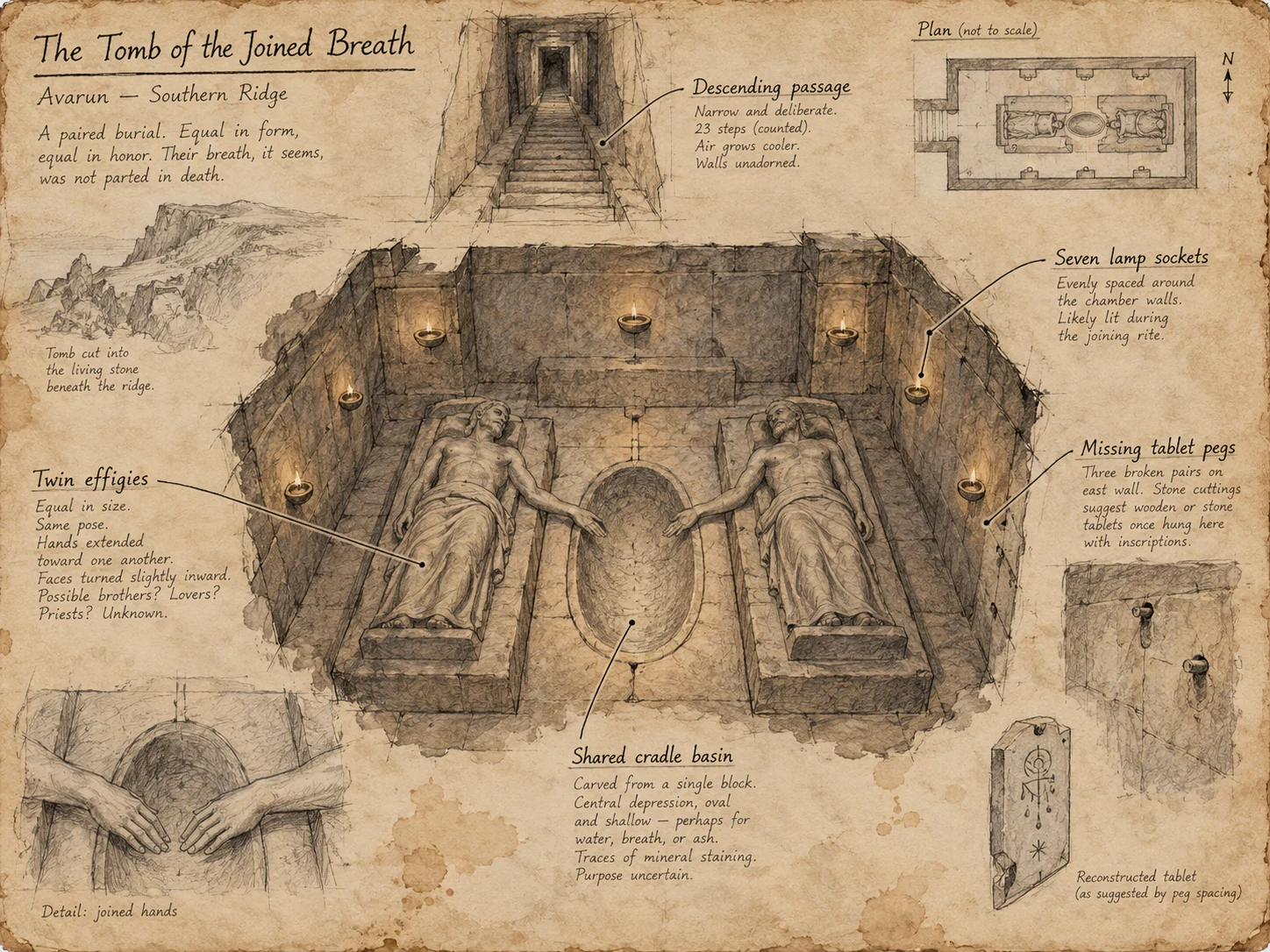
Plate I · Original approved tomb reconstruction sketch · Save WebP
Two adult male effigies rest at equal height, fingers pointed toward a carved oval basin. Seven lamp sockets surround the chamber; its original burials are unverified and a later grave disturbed the layers.
Proposed era
Early Twin Lantern households; later reconstruction possible
Evidence
Stone beds, worn carved figures, lamp sockets, damaged wall pegs
Disputed
Whether the figures were Aeron and Talem, and whether the basin was a cradle
Public policy
Local stewardship, open documentation, no privately owned sacred remains
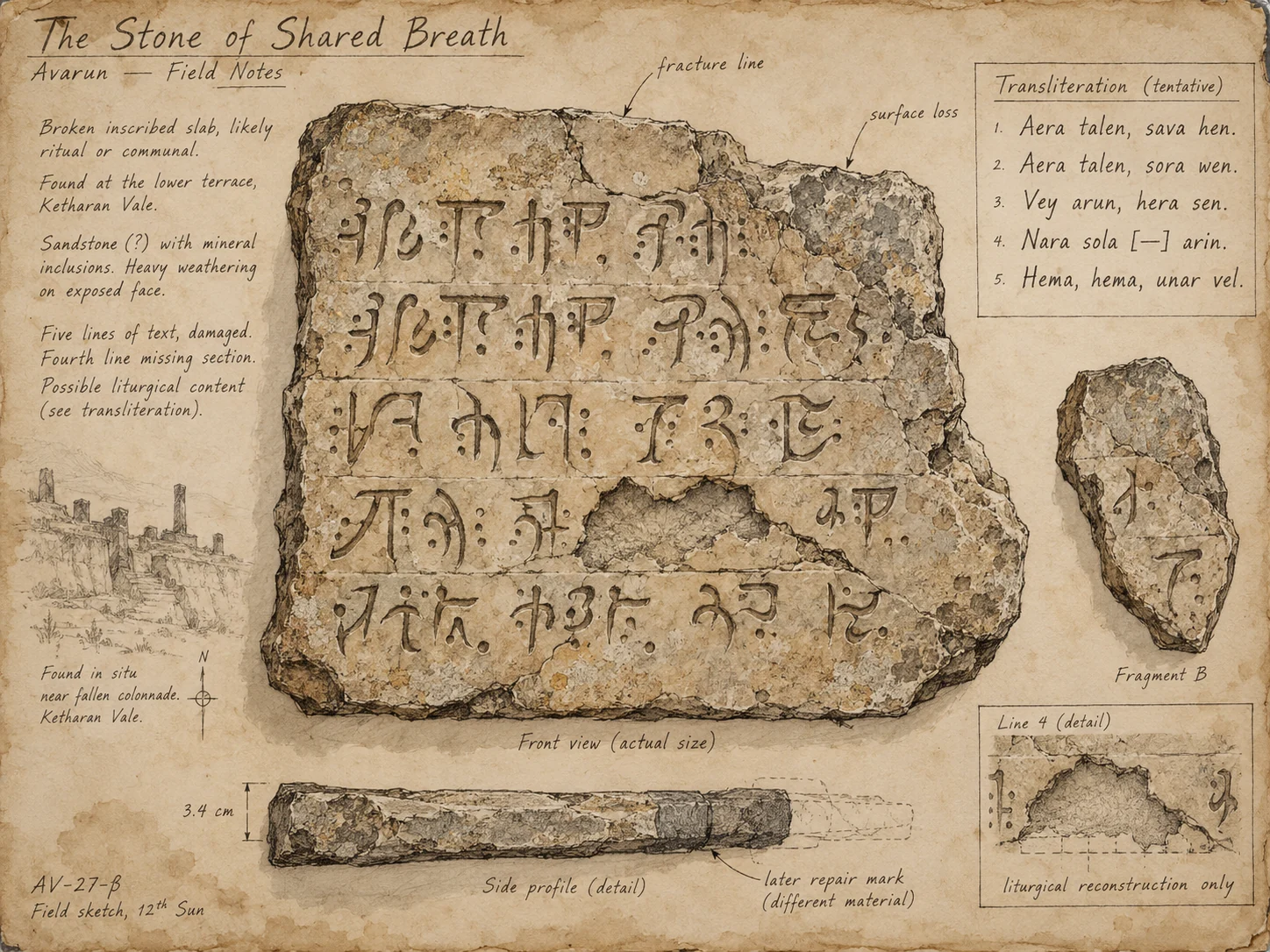
Plate II · Approved inscription field sketch · Save WebP
Aera talen, sava hen.
Aera talen, sora wen.
Vey arun, hera sen.
Nara sola [—] arin.
Hema, hema, unar vel.
Two stood where one house failed. Two vowed where one law broke. Breath was given, and the hearth endured. Where seed alone could not prevail, covenant, craft, and mercy carried life.
Interpretation warning: This is a poetic liturgical rendering, not a literal decipherment. The fourth line is missing, and a later condemnation appears only in secondary copies. The Old Hearth Cant is an original fictional constructed language.
COMPARATIVE PLATE / LATER OBJECTS
The Shared Breath Relics
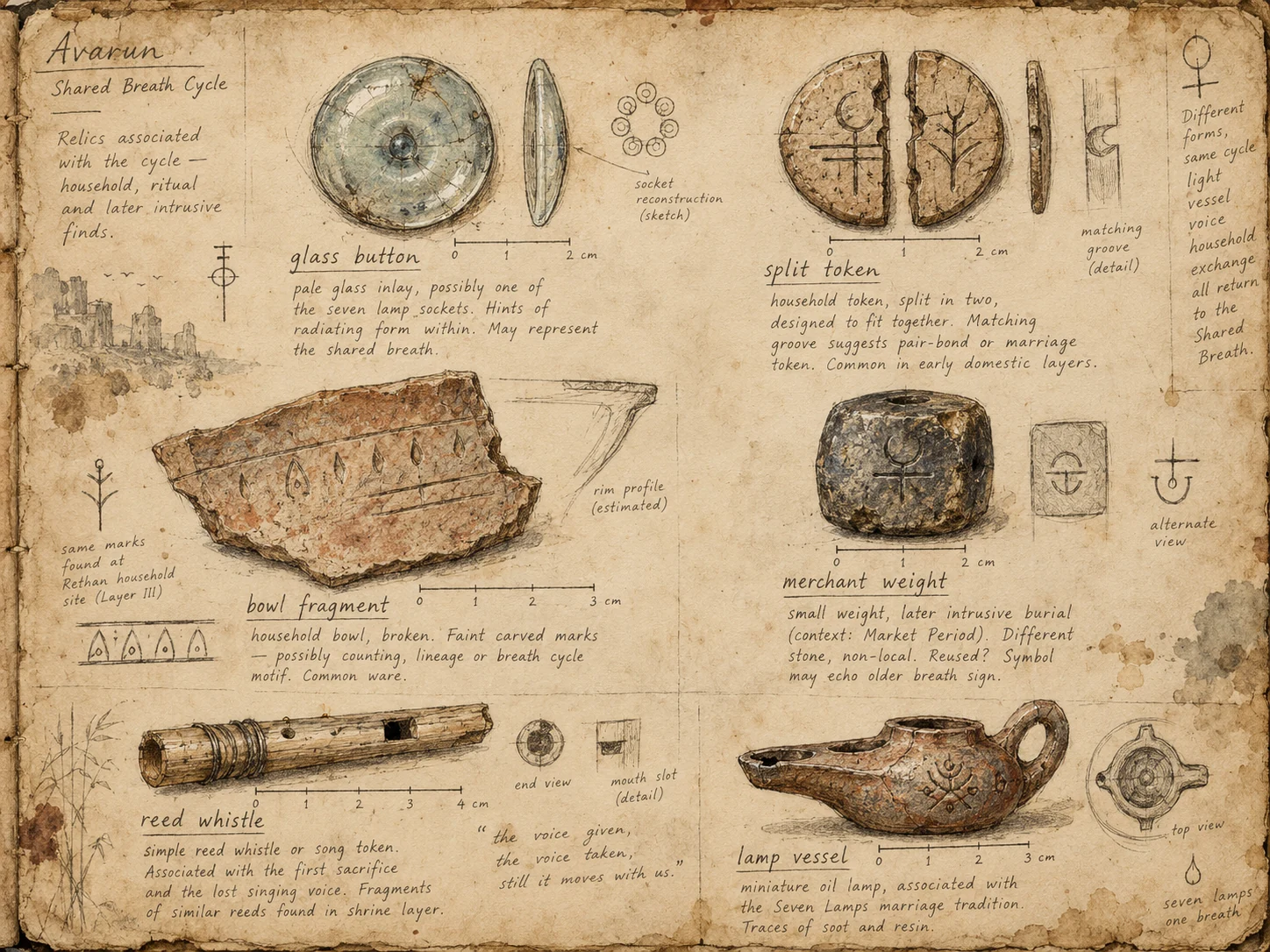
Plate III · Approved relic comparison sketches · Save WebP
Seven-lamp bowls, household seals, small cradle models and educational replicas are associated with the tradition. Most have later, mixed or unknown provenance. Their presence is not proof that Seraveth walked Avarun or that the first couple had a child.
The first line may describe two people or repeat a ritual formula. A condemnation appears in a younger copy, not on the surviving stone. None of these translations is an omniscient historical transcript.
The Open Hearth
Two stood where one house failed. Two vowed where one law broke. Breath was given, and the hearth endured.
Poetic liturgical translation praising chosen households. The famous full five-line version expands the damaged original and should not be treated as a literal decipherment.
The Closed Lamp later copy
Two joined beyond the law, and the city learned impurity.
Condemnatory wording appears in secondary manuscripts; dating suggests it was added later. It remains evidence of a doctrine, not proof of an ancient inscription or a malicious god.
Scholars leave uncertain and missing terms visible. They cannot determine from this stone whether its original subject was marriage, adoption or flood rescue.
Aeron and Talem's promises matter even without children. Seven lamps honor consent, care and shared responsibility. Seraveth is remembered as a nurturing patron, but divine authorship remains a belief.
Devotional interpretation
The Closed Lamp
Some authorities claim Mhalek deceived the towns and rewrote the old vows as sin. Dissenting scholars reject forged evidence and protect families even where doctrine remains strict.
Competing theological positions
The Archivists
Dating tests, ruined layers, duplicate scripts, gate records, and deliberate gaps offer evidence but not a final cosmic answer. Careful scholarship separates the city's preventable deaths from inevitable geologic collapse.
Contested material reconstruction
04 / THE COMPLETE SEVEN-WORK READING ROOM
Read every version. Hear every voice.
Seven original manuscripts, each with full chapters and its own prerecorded Kokoro American-English stereo MP3. The audio player uses saved recordings, not live browser TTS.